




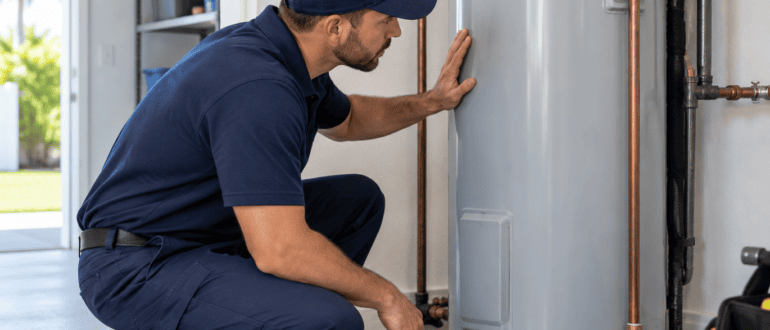
A water heater is one of those appliances most homeowners rarely think about until it starts doing something unusual. You may walk into the garage and hear popping sounds, notice a low rumble while the water is heating, or hear an unexpected banging noise coming from the tank. Suddenly, the appliance that has quietly supplied hot water every day becomes difficult to ignore.
The good news is that a noisy water heater does not automatically mean the unit needs to be replaced. Some sounds can develop as a water heater ages or as sediment collects inside the tank. Other noises, however, may point to a component that needs professional attention.
For Florida homeowners, understanding what those sounds could mean can help you decide when it is time to schedule water heater repair and prevent a relatively manageable problem from turning into a larger plumbing issue.
Why Do Water Heaters Start Making Noise?
A traditional tank-style water heater heats and stores water so it is ready when you turn on a hot-water faucet, run the dishwasher, or take a shower. During normal operation, the unit may make some quiet sounds as water enters the tank, heats, and moves through your plumbing system.
Loud, persistent, or new noises are different.
Popping, rumbling, banging, hissing, or knocking can develop for several reasons. The cause may involve sediment inside the tank, changing water pressure, heating components, valves, or even the pipes surrounding the unit.
The type of sound often provides an important clue about what is happening.
Popping Sounds May Point to Sediment Buildup
One of the more common complaints homeowners have is a popping or crackling sound coming from a tank-style water heater.
Over time, minerals and sediment can settle at the bottom of the tank. When the burner or heating element warms the water, small amounts of water can become trapped beneath this layer. As the trapped water heats and escapes through the sediment, it can create popping or crackling noises.
A small amount of sediment does not necessarily mean your water heater is about to fail. However, significant accumulation can make the unit work harder to heat the water.
That extra strain is worth paying attention to, particularly when the popping becomes louder or is accompanied by other symptoms such as inconsistent hot water.
The U.S. Department of Energy provides additional information about water heating and energy efficiency, including ways homeowners can better understand their household hot-water systems.
A Rumbling Water Heater Should Not Be Ignored
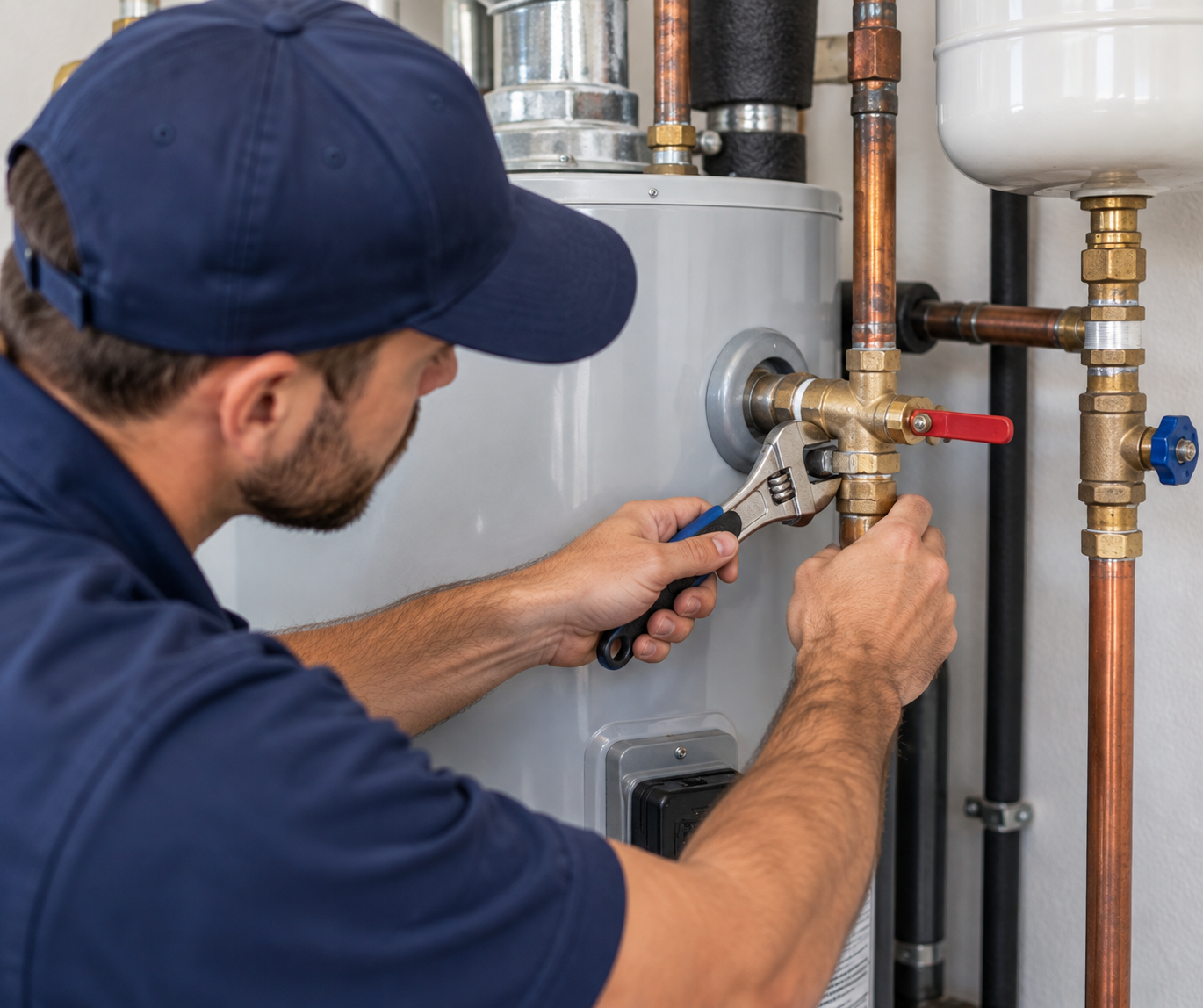
Rumbling can also be associated with sediment collecting inside the tank.
As water heats and moves through accumulated material, the sediment may shift around and create a deeper rumbling sound. You might notice it most when the water heater begins a heating cycle.
If the sound has gradually become more noticeable, having the unit inspected is a sensible next step. A plumber can evaluate the condition of the water heater and determine whether maintenance, repair, or replacement makes the most sense.
Plumbing Experts provides water heater and other residential plumbing services throughout its South Florida service area, including Palm Beach, Broward, and Martin counties.
What Does a Banging or Knocking Sound Mean?
Not every water heater noise originates inside the tank.
If you hear a loud bang or knock when a faucet, washing machine, dishwasher, or other fixture shuts off, the issue may involve pressure changes within the plumbing system rather than the water heater itself.
A phenomenon commonly known as water hammer occurs when moving water suddenly stops or changes direction. That rapid change can create a noticeable banging sound in the pipes.
Because plumbing systems are interconnected, homeowners sometimes assume the water heater is responsible when the noise is actually traveling through nearby pipes.
Repeated banging deserves attention. A professional plumber can inspect the system, check water pressure, and identify where the noise is actually coming from instead of relying on guesswork.
Hissing or Sizzling Can Signal Water Where It Shouldn’t Be
A hissing or sizzling noise requires a different type of investigation.
Sometimes these sounds are related to normal heating activity. In other situations, moisture may be reaching a hot component or surface.
Start by looking around the water heater without removing covers or attempting electrical or gas repairs yourself. Is there water around the base? Do you see moisture near a connection or valve? Has the unit recently started producing less hot water?
Leaks can occur at connections, valves, or other components. Plumbing Experts explain that some water heater leaks can be addressed by repairing or replacing individual parts. A leak originating from a corroded tank itself, however, can indicate that replacement is necessary.
If you see active leaking, especially significant water accumulation, arrange for professional service promptly.
Could the Noise Be Coming From the Heating Element?
Electric water heaters use heating elements to warm the water inside the tank. As components age or become surrounded by mineral deposits, you may begin hearing unusual sounds during heating cycles.
A professional can determine whether the sound is actually related to an element or another part of the system.
This is an area where DIY troubleshooting should have limits. Water heaters involve electricity or gas, hot water, pressure, and safety components. Opening the unit or attempting repairs without the appropriate experience can create unnecessary risks.
When the source of a sound is unclear, professional water heater repair provides a safer way to identify the problem.
Why Florida Homeowners Should Pay Attention to Water Heater Performance
In South Florida, a water heater works throughout the year. There is rarely a long season when the system can simply sit unused.
That makes changes in performance easier to notice if you know what to watch for.
Noise alone may not tell the entire story. Consider what else has changed. Does the hot water run out faster than it used to? Does the temperature fluctuate? Have you noticed moisture around the tank? Is your water taking longer to heat?
When unusual noise appears alongside performance problems, an inspection becomes more important.
Hot-water efficiency matters as well. The U.S. Environmental Protection Agency notes that water heating is typically the second-largest use of energy in a home after space heating and cooling. Its WaterSense hot-water guidance explains how efficient hot-water delivery can help reduce wasted water and energy.
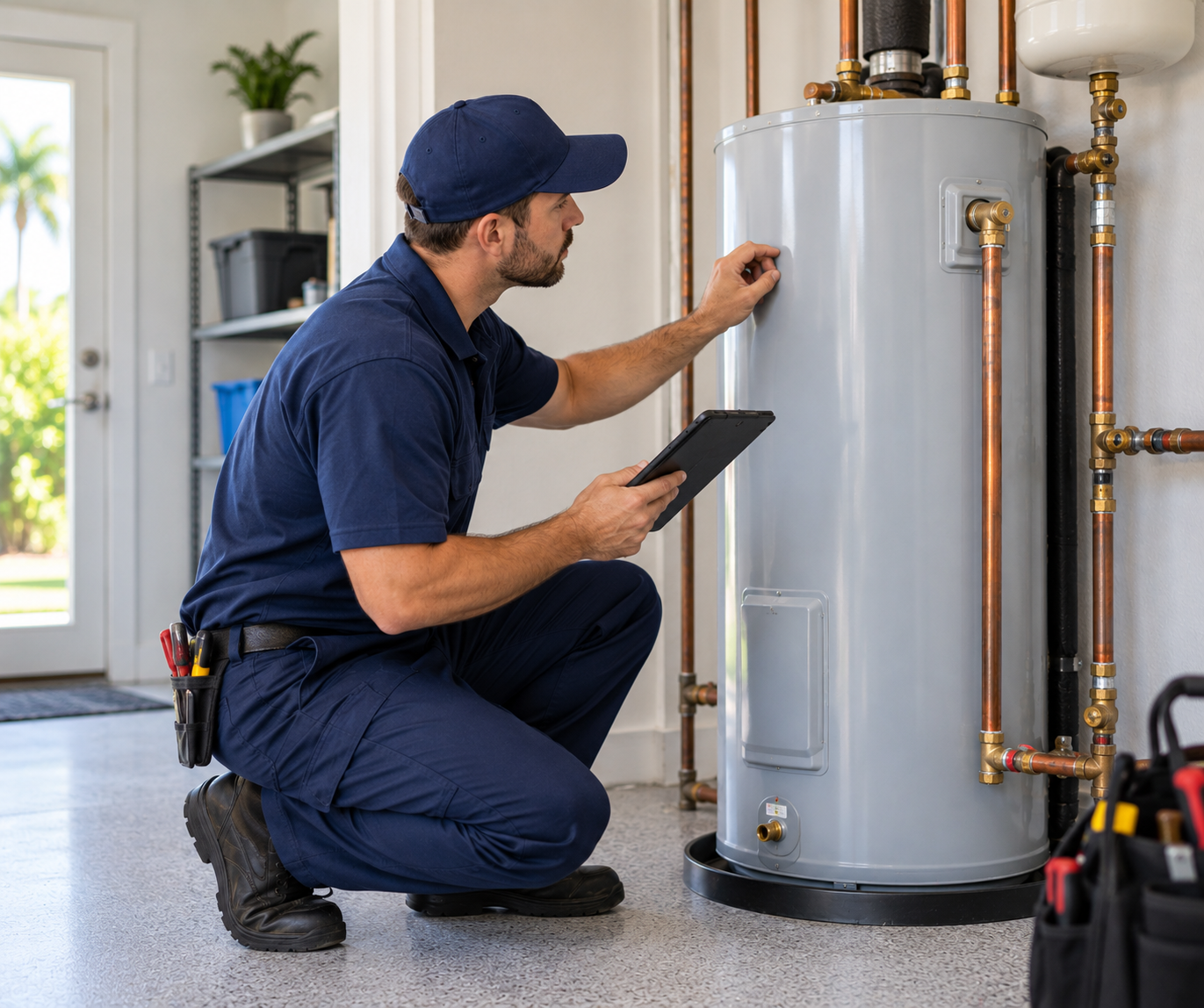
When Does a Noisy Water Heater Need Repair?
There is no single sound that automatically means a water heater needs replacement.
Age, condition, maintenance history, the location of the noise, and the presence of leaks or corrosion all matter. A relatively simple component problem may be repairable, while deterioration of the tank itself can make replacement the more practical solution.
You should consider calling a plumber when the noise is persistent, suddenly becomes louder, occurs alongside leaking, or is accompanied by inconsistent water temperatures or reduced hot-water availability.
The important thing is to avoid diagnosing a complicated plumbing appliance based solely on the sound it makes.
A professional inspection can identify the actual cause before a repair recommendation is made.
Repair or Replace: How Do You Know?
This is usually the biggest question homeowners have after discovering a water heater problem.
If the issue involves a replaceable valve, connection, or another serviceable component, repair may restore normal operation. If the tank itself has developed significant corrosion or a leak, replacing the unit may provide better long-term value.
The age and overall condition of the system also matter. Continually investing in repairs for a deteriorating water heater may not make financial sense when replacement is approaching anyway.
Plumbing Experts offers a range of professional plumbing services that include water heater replacement as well as repairs for other residential plumbing problems.
Rather than automatically assuming you need a new unit, have the existing water heater evaluated first. That gives you a clearer picture of the problem and your available options.
Can You Prevent Water Heater Problems?
You cannot prevent every water heater issue, but paying attention to the appliance can help you catch changes earlier.
Get familiar with how your water heater normally sounds. Occasionally check the surrounding area for moisture. Pay attention when hot water begins taking longer to arrive or doesn’t last as long as it once did.
Most importantly, do not wait for a minor change to become a major disruption.
A strange sound today may simply require an inspection or routine service. Ignoring warning signs until you have no hot water or discover water spreading across the floor can make the situation much more inconvenient.
Don’t Let a Noisy Water Heater Become a Bigger Problem
A popping, rumbling, banging, or hissing water heater is trying to tell you something. The challenge is determining whether that sound comes from sediment, a component, plumbing pressure, a leak, or another issue.
That’s where an experienced plumber can help.
Plumbing Experts serves homeowners throughout South Florida, including communities across Palm Beach, Broward, and Martin counties. The company handles water heaters along with leaks, clogs, sewer lines, fixtures, and other residential plumbing needs.
If your water heater has started making unfamiliar noises, is leaking, or isn’t delivering hot water like it used to, schedule water heater repair before the problem becomes more disruptive.
Contact Plumbing Experts today to have your water heater inspected and get the right repair or replacement recommendation for your home.