




Finding a reliable plumber in Florida is not as straightforward as it should be. The state has a large number of licensed plumbers and an even larger number of unlicensed ones — and the difference between the two is not always obvious when you are searching online or getting quotes. This guide from Plumbing Experts covers what you should verify before hiring any plumber in Florida, what the most common plumbing issues look like, and how to protect yourself from the pitfalls that cost Florida homeowners millions of dollars every year.
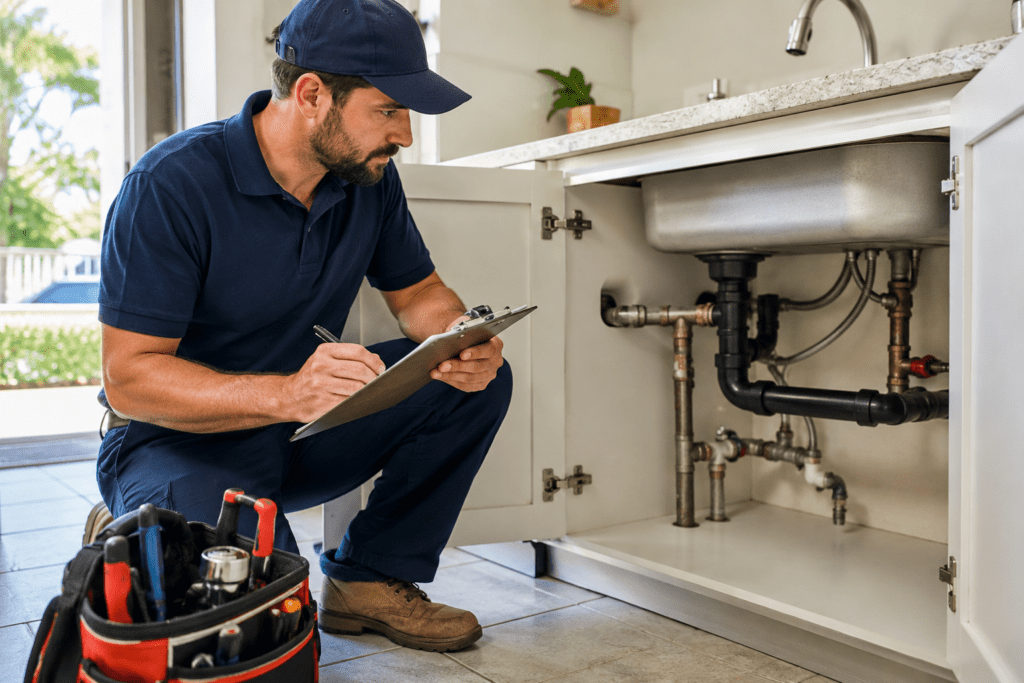 Florida Plumbing License Requirements
Florida has two levels of plumbing contractor license:
- State Certified Plumbing Contractor (CFC): The highest level. Licensed to contract for any plumbing work in Florida, including complex commercial and residential projects. Verify at myfloridalicense.com under “Plumbing Contractor.”
- State Registered Plumbing Contractor: Licensed to work within a specific county or local jurisdiction. Valid for work in their area but not transferable statewide.
Plumbing Experts holds a State Certified CFC license, covering all plumbing work throughout Florida. Always verify any plumber’s license at myfloridalicense.com before signing a contract or allowing work to begin.
Most Common Plumbing Issues In Florida Homes
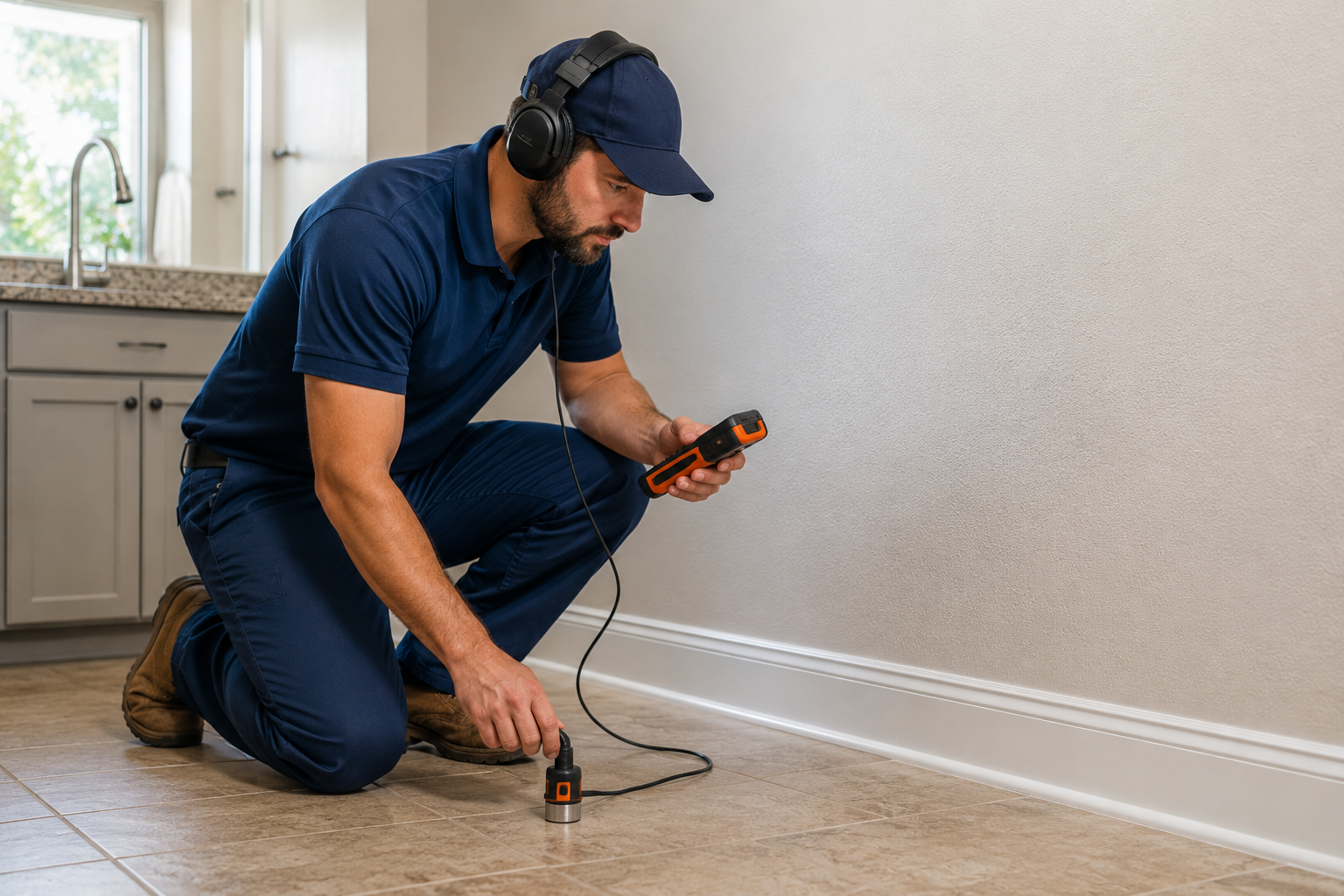
Slab Leaks: Florida’s concrete slab construction means water supply lines often run beneath the slab. When these fail — from corrosion, shifting, or pressure changes — the leak is invisible until significant damage appears. Slab leaks require electronic leak detection and specialized repair.
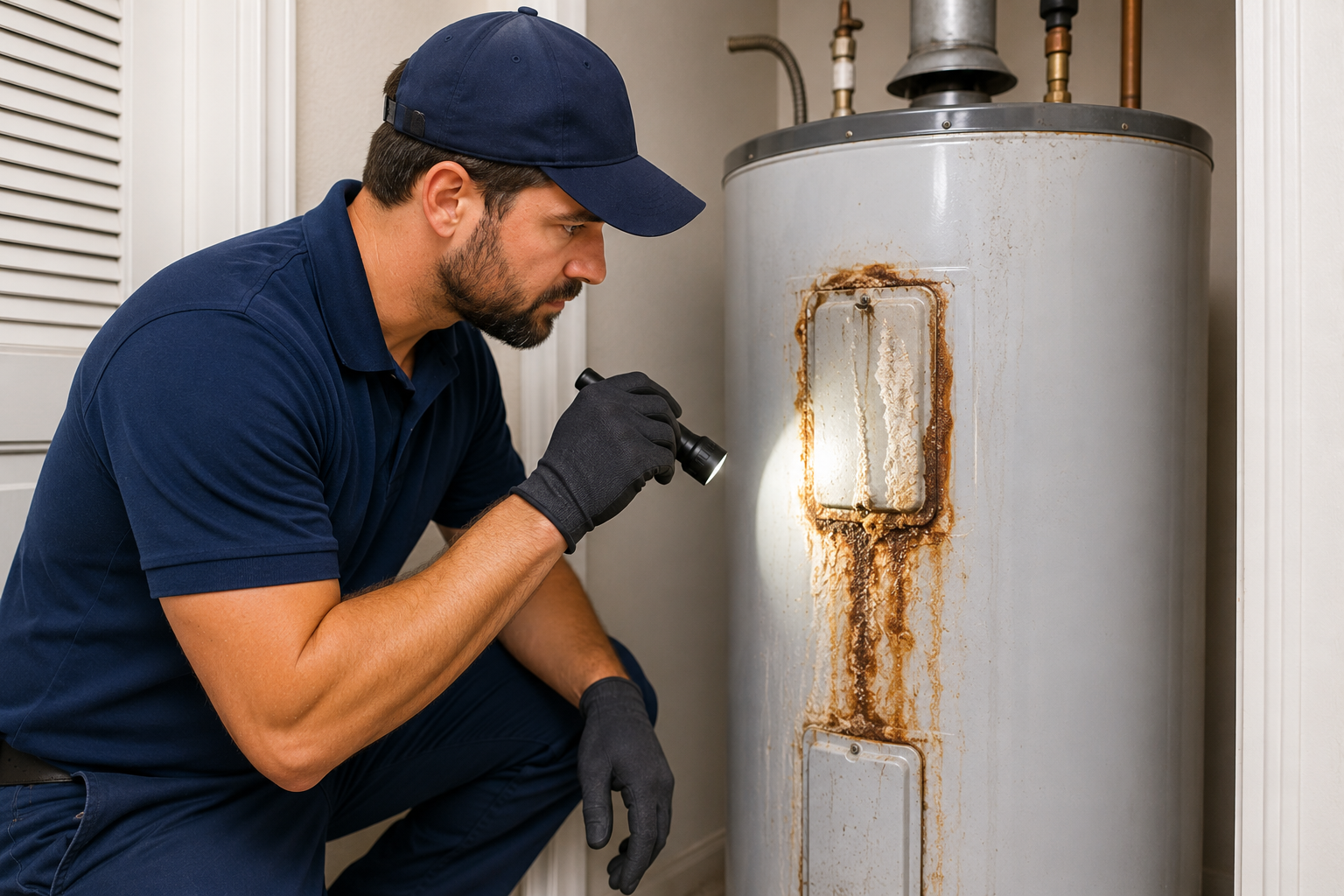
Water Heater Failures: Florida’s hard water accelerates mineral buildup that shortens water heater lifespan. Most water heaters in Florida last 8 to 12 years. Signs of imminent failure include rumbling sounds, rusty water, inconsistent temperature, and visible corrosion around the unit.
Root Intrusion: Florida’s tree-heavy landscaping creates persistent root intrusion into sewer and drain lines — especially in older homes with clay or cast iron pipes. Regular camera inspections every 3 to 5 years prevent emergency backups.
Repiping Needs: Homes built before 1990 may still have original galvanized steel supply lines or polybutylene (gray) pipe — both of which have exceeded their service life. Proactive repiping before catastrophic failure prevents significant damage.
High Water Bills: A sudden spike in water usage without explanation almost always indicates a leak — either a running toilet, dripping faucet, or hidden supply line leak. We identify and resolve the source.
 Red Flags When Hiring A Plumber
 Red Flags When Hiring A Plumber
- Cannot immediately provide license number for verification
- Requests full payment in cash before work begins
- Suggests skipping the permit “to save time or money”
- Provides a verbal estimate only with no written breakdown
- Cannot show current proof of general liability and workers’ compensation insurance
Plumbing Experts: Licensed Plumbing Services Throughout Florida
Plumbing Experts is a State Certified plumbing contractor serving residential and commercial clients throughout Florida. We handle everything from emergency repairs and drain cleaning to full repiping, slab leak repair, and water heater replacement — all with licensed crews, transparent pricing, and proper permits. Contact us for a free service call assessment.
Frequently Asked Questions
How much does a plumber cost in Florida?
Standard service calls run $85 to $150. Drain cleaning averages $150 to $400. Water heater replacement runs $900 to $2,200 installed. Repiping a standard home runs $4,000 to $15,000 depending on size and pipe material. All pricing is provided upfront before any work begins.
Do I need a permit for plumbing work in Florida?
Most significant plumbing work — water heater replacement, repiping, sewer line work, and additions — requires a permit. Routine repairs like faucet replacement or drain cleaning do not. Your plumber advises on permit requirements for your specific job.
What is a slab leak and how is it fixed?
A slab leak is a break or pinhole in a water supply line running beneath your home’s concrete slab. Detection uses electronic listening equipment and/or thermal imaging. Repair options include direct access (breaking through the slab), rerouting the line through walls, or full repiping — your plumber recommends the best approach based on your situation.