




Have you ever opened your water bill and wondered why the amount suddenly jumped, even though your daily routine hasn’t changed? You haven’t started watering your lawn more frequently, your family isn’t taking longer showers, and you’re not running extra loads of laundry. Yet somehow, your water usage has increased significantly.
The problem might be something you can’t see.
Hidden plumbing leaks are a common reason homeowners experience unexpected increases in their water bills. Unlike a dripping faucet or an overflowing toilet, these leaks can develop behind walls, beneath flooring, underground, or inside plumbing systems where they remain unnoticed for weeks or even months.
For South Florida homeowners, identifying plumbing leaks early can help prevent expensive repairs, structural damage, mold growth, and unnecessary water waste.
At Plumbing Experts, understanding the warning signs of a concealed leak is the first step toward protecting your home and keeping your plumbing system operating properly.
Why Your Water Bill Can Increase Without Warning
A sudden increase in your water bill doesn’t necessarily mean your utility company made a mistake. Sometimes, your plumbing system is using water continuously without your knowledge.
Even a relatively small leak can waste a surprising amount of water over time. When a damaged pipe, worn connection, or faulty plumbing fixture allows water to escape, the water meter may continue recording usage long after you’ve turned everything off.
For example, a toilet that silently runs throughout the day can contribute to a noticeable increase in monthly water consumption. Similarly, an underground pipe leak may allow water to escape into the surrounding soil without leaving any obvious signs inside your home.
According to the U.S. Environmental Protection Agency‘s WaterSense program, household leaks can waste nearly 10,000 gallons of water annually in an average home.
That’s why an unusually high water bill should never be ignored, especially when your household’s water habits haven’t changed.
7 Warning Signs of Hidden Plumbing Leaks
Not every plumbing leak creates a visible puddle. In many cases, your home provides subtle clues that something is wrong.
1. Your Water Bill Keeps Increasing
One of the earliest signs of a concealed leak is a steady increase in water consumption.
Compare your current bill with previous months and look for unusual changes in the number of gallons used. Keep in mind that seasonal irrigation, additional household members, and changes in utility rates can also affect your bill.
However, if your actual water usage has increased without a clear explanation, it’s worth investigating your plumbing system.
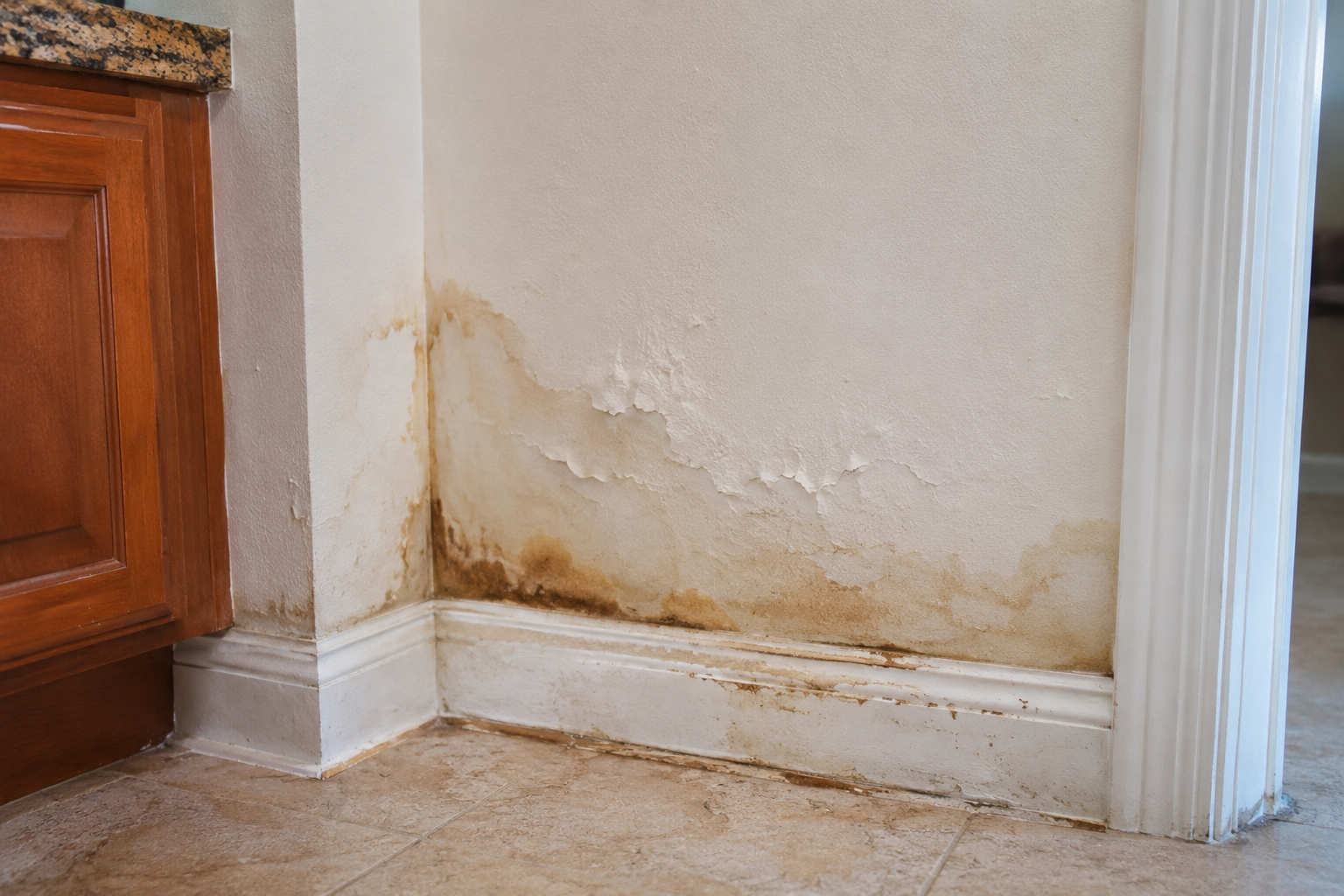
2. You Notice Damp Spots on Walls or Floors
Moisture appearing in unexpected places may indicate water escaping from a concealed pipe.
You might notice discoloration on drywall, bubbling paint, warped baseboards, or flooring that feels damp even after cleaning.
These problems often develop gradually, making them easy to overlook until the damage becomes more extensive.
In Florida’s humid climate, persistent moisture can be particularly concerning because it may contribute to mold growth and deterioration of building materials.
3. Your Water Pressure Suddenly Drops
Have you noticed that your shower feels weaker than usual or that multiple faucets produce less water?
A sudden reduction in water pressure can sometimes indicate a damaged supply line.
When water escapes through a leak before reaching your fixtures, the available pressure may decrease.
However, pressure problems can also result from clogged aerators, faulty pressure regulators, or municipal supply issues. A professional inspection can help determine the actual cause.
4. You Hear Running Water When Everything Is Off
Your plumbing system should generally remain quiet when nobody is using water.
If you hear dripping, hissing, or running water behind a wall while all fixtures and appliances are turned off, there may be an active leak.
Pay attention to sounds near bathrooms, kitchens, laundry rooms, and water heaters.
Although plumbing noises can have several explanations, persistent water sounds deserve attention.
5. You Discover Unexplained Mold or Musty Odors
A persistent musty smell may indicate moisture accumulating in an area that doesn’t receive adequate ventilation.
Hidden moisture can develop behind cabinets, inside walls, beneath flooring, or around plumbing fixtures.
Over time, these damp conditions may encourage mold growth.
The EPA‘s mold and moisture resources explain why controlling moisture is essential for preventing mold problems in residential properties.
If you notice recurring mold or unusual odors, locating and correcting the moisture source is more effective than repeatedly cleaning the affected surface.
6. Your Yard Has Unusually Wet Areas
Not all plumbing leaks occur inside your home.
Underground water supply lines can develop cracks, corrosion, or damaged connections that allow water to escape beneath your property.
Warning signs may include consistently soggy soil, unexplained puddles, or patches of grass that appear unusually green compared with surrounding areas.
These symptoms can also result from irrigation problems or poor drainage, so identifying the source is important before beginning repairs.
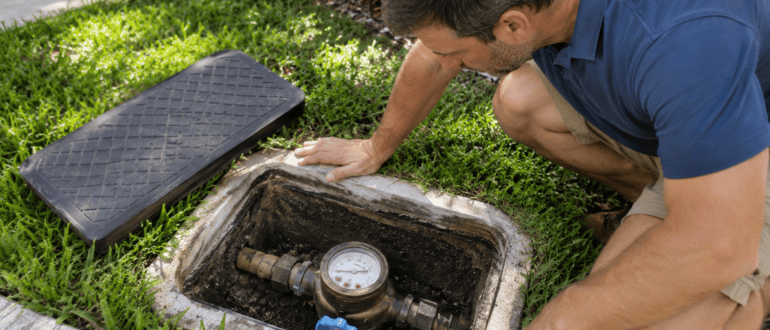
7. Your Water Meter Moves When No Water Is Being Used
Your water meter can provide valuable information about possible leaks.
Turn off faucets, showers, appliances, and other water-using fixtures. Make sure your irrigation system and automatic water-consuming equipment are also inactive.
Next, check your water meter and observe whether the leak indicator moves or the reading changes.
If the meter continues recording usage while everything is off, water may be escaping somewhere in the metered plumbing system.
This test doesn’t identify the exact location of a leak, but it can help determine whether further investigation is necessary.
Common Places Where Plumbing Leaks Hide
Understanding where leaks typically develop can make it easier to recognize potential problems before they become emergencies.
Behind Walls and Under Cabinets
Pipes running through walls and cabinetry may develop leaks due to aging connections, corrosion, or accidental damage.
Because these pipes aren’t visible, moisture can accumulate before homeowners recognize a problem.
Kitchen sinks, bathroom vanities, and laundry areas are common places to check for dampness or unusual odors.
Beneath Concrete Slabs
Many South Florida homes have concrete slab foundations with plumbing lines running beneath or through the structure.
When one of these pipes begins leaking, water may spread beneath the flooring or foundation.
Possible warning signs include warm spots on the floor, unexpected moisture, and unexplained water consumption.
Slab leaks require careful evaluation because unnecessary demolition can increase repair costs.
Underground Water Supply Lines
Water lines connecting your home to the municipal supply can also develop leaks.
Tree roots, soil movement, aging materials, and damaged fittings may contribute to underground pipe problems.
These leaks are particularly difficult to locate without specialized equipment because the escaping water may never become visible above ground.
Toilets and Water Heaters
Sometimes, the source of an unexpectedly high water bill is a familiar plumbing fixture.
A worn toilet flapper may allow water to flow continuously into the bowl without creating an obvious sound.
Water heaters can also develop leaks around valves, connections, or the storage tank.
Regularly checking these fixtures can help identify problems before they waste significant amounts of water.
How to Check for a Water Leak Before Calling a Plumber
If you suspect a leak, there are several simple steps you can take before scheduling a professional inspection.
Start by checking your water meter. Make sure no water is being used anywhere in the home, record the reading, and wait approximately 30 to 60 minutes without using any fixtures. If the reading changes, you may have a leak.
Next, inspect accessible plumbing connections beneath sinks, around toilets, and near your water heater. Look for moisture, corrosion, or water stains.
You should also review your irrigation settings. A malfunctioning sprinkler timer or damaged irrigation line can increase water consumption without causing visible indoor damage.
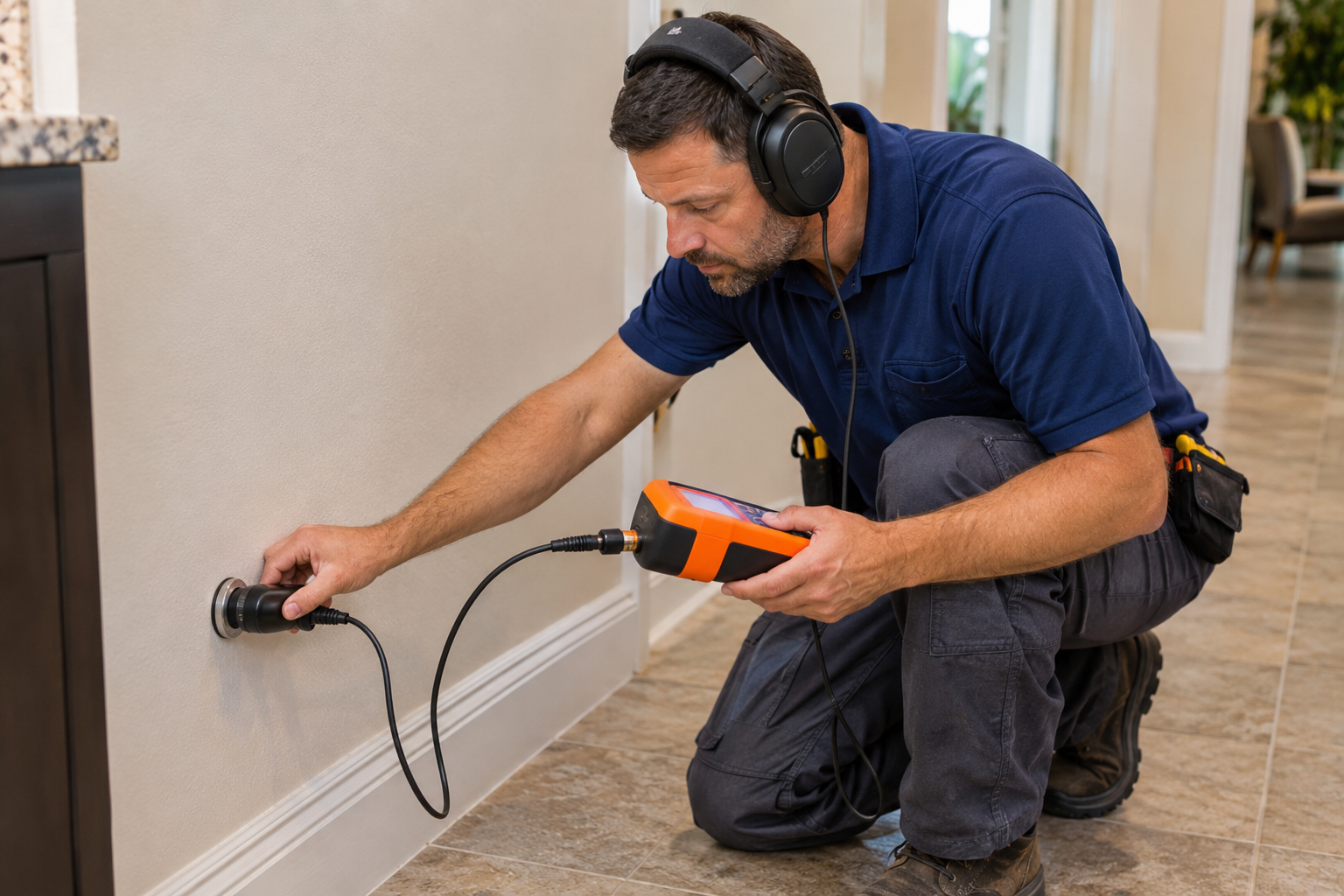
If these checks don’t reveal the source, professional leak detection services can help locate concealed plumbing problems. Plumbing Experts use diagnostic methods such as acoustic detection and thermal imaging to investigate leaks.
How Professional Leak Detection Helps Prevent Expensive Repairs
Finding a concealed leak isn’t always as simple as opening a wall or inspecting a pipe.
Water can travel along framing, flooring, and other surfaces before becoming visible. As a result, the damp spot you notice may be several feet away from the actual problem.
Professional plumbers use specialized equipment to narrow down the source of the leak before recommending repairs.
Acoustic equipment can detect vibrations associated with escaping pressurized water. Thermal imaging can help identify unusual temperature patterns that suggest moisture or leaking pipes.
For suspected sewer problems, plumbers may use video cameras and line-locating equipment to inspect underground drainage systems.
A thorough professional plumbing inspection can also identify deteriorating connections, damaged fixtures, and other conditions that may lead to future leaks.
The goal is to identify the problem accurately, minimize unnecessary disruption, and recommend an appropriate repair.
Why South Florida Homeowners Should Address Leaks Quickly
South Florida’s humid environment makes moisture problems especially important to address.
When water escapes behind walls or beneath flooring, affected materials may remain damp for extended periods. This can create conditions that encourage mold growth and damage drywall, cabinetry, and flooring.
Underground leaks may also contribute to soil saturation or damage surrounding landscaping.
Waiting until a small problem becomes a major plumbing emergency can increase repair expenses and inconvenience.
Addressing suspected leaks early helps homeowners protect their property while reducing unnecessary water consumption.
Simple Ways to Prevent Future Plumbing Leaks
Although not every leak can be prevented, regular maintenance can reduce the likelihood of unexpected plumbing problems.
Make a habit of reviewing your monthly water consumption rather than checking only the amount owed. Unusual changes may provide an early warning.
Inspect visible pipes and plumbing connections periodically, especially around sinks, toilets, washing machines, and water heaters.
Pay attention to changes in water pressure, unusual sounds, and recurring moisture.
It’s also helpful to know where your home’s main water shutoff valve is located. If a pipe bursts or a serious leak develops, shutting off the water quickly can limit damage.
For additional protection, consider scheduling routine maintenance through Plumbing Experts’ residential plumbing services to identify potential problems before they become expensive repairs.
Frequently Asked Questions About Hidden Plumbing Leaks
Can a Small Water Leak Cause a High Water Bill?
Yes. Even a small leak can waste substantial amounts of water when it continues throughout the day. Running toilets, damaged supply lines, and leaking underground pipes can all contribute to unexpectedly high water consumption.
How Do I Know if I Have a Leak Underground?
Common warning signs include unexplained increases in water usage, wet patches in your yard, reduced water pressure, and water meter movement when all fixtures are turned off. Professional testing can help confirm the source.
Can a Hidden Leak Cause Mold?
Yes. Leaking pipes can introduce moisture into walls, cabinets, and flooring. If affected materials remain damp, mold may develop. Correcting the leak and drying the affected area are important steps in addressing the problem.
Should I Turn Off My Water if I Suspect a Leak?
If you discover an active leak that is causing damage, shut off the affected fixture’s supply valve or the main water supply when safe to do so. For a suspected slow leak without visible damage, arrange an inspection promptly.
Stop Wasting Water and Protect Your Home With Plumbing Experts
An unexpectedly high water bill may be your home’s first warning that something is wrong.
Ignoring hidden plumbing leaks can lead to unnecessary water expenses, moisture damage, and more complicated repairs. Identifying the source early is one of the most effective ways to protect your home.
Plumbing Experts provides professional leak detection and plumbing repairs throughout Palm Beach, Broward, and Martin Counties, including Boca Raton, Delray Beach, Boynton Beach, West Palm Beach, and Fort Lauderdale.
Don’t let an unexplained water bill turn into an expensive plumbing emergency. Contact Plumbing Experts today to schedule a professional leak detection service.
Call (561) 279-2460 in Palm Beach County or (954) 786-0477 in Broward County, or visit our website to request assistance.