




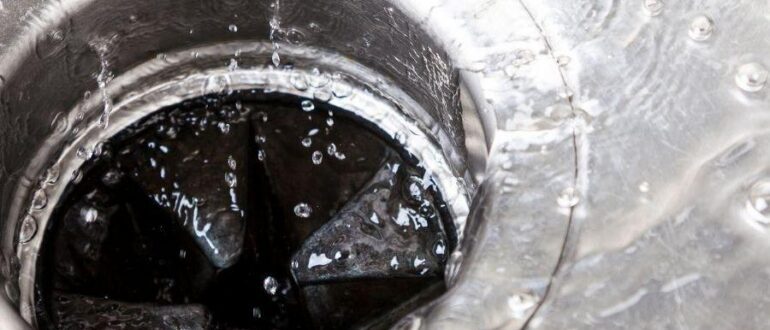
A garbage disposal makes kitchen cleanup easier, especially after preparing meals or washing dishes. Instead of worrying about every small food scrap, you can use the disposal to grind suitable waste before it travels through your plumbing system. However, when your garbage disposal keeps clogging, that everyday convenience quickly becomes a frustrating problem.
You might notice water draining slowly, unpleasant odors coming from the sink, or strange sounds whenever you turn on the disposal. Sometimes, the unit stops working altogether, leaving you wondering what went wrong.
The good news is that many garbage disposal problems are preventable with proper use and regular maintenance. Understanding what causes these clogs can help you protect your kitchen plumbing and avoid unnecessary repairs.
At Plumbing Experts, we help homeowners throughout South Florida address kitchen plumbing problems, including clogged drains and malfunctioning disposals. If you’re dealing with recurring blockages, understanding the causes can help you determine when professional garbage disposal repair is necessary.
Why Does Your Garbage Disposal Keep Clogging?
Your garbage disposal is designed to grind food waste into smaller particles that can travel through your drainpipes. However, it isn’t designed to handle unlimited amounts of food or every type of kitchen waste.
When inappropriate materials enter the disposal, they can collect inside the grinding chamber or become trapped farther down the drain. Over time, this buildup restricts water flow and creates stubborn blockages.
Sometimes, the disposal itself works perfectly, but the connected drainpipe is clogged. This distinction matters because repairing the disposal won’t necessarily resolve a blockage located deeper within your plumbing system.
Understanding the most common causes can help you identify what’s happening beneath your kitchen sink.
1. Too Much Food Waste at Once
One of the most common reasons garbage disposals clog is overloading.
After a large family dinner, it’s tempting to scrape leftover food directly into the sink and let the disposal handle everything. Unfortunately, feeding too much waste into the unit at once can overwhelm its grinding mechanism.
Even when the disposal successfully breaks down the food, large quantities of waste can collect inside the drainpipe before enough water carries them away.
Instead of loading the disposal with several handfuls of scraps, introduce small amounts gradually.
Allow the unit to finish grinding each portion before adding more. This simple adjustment can make a noticeable difference in how efficiently your disposal operates.
It’s also helpful to scrape larger food scraps into the trash before rinsing dishes. Your garbage disposal should assist with kitchen cleanup, not replace your garbage can.
2. Grease and Cooking Oil Buildup
Grease is one of the biggest enemies of kitchen plumbing.
When you’re cooking bacon, frying food, or preparing meals with butter and oil, pouring leftover grease into the sink might seem harmless.
However, fats and oils can stick to the interior walls of your pipes. As additional grease accumulates, the opening inside the drain becomes smaller, making it easier for food particles to get trapped.
Eventually, this buildup can cause slow drainage or complete blockages.
According to the U.S. Environmental Protection Agency‘s guidance on fats, oils, and grease, grease accumulation can contribute to serious sewer blockages and backups.
The best prevention method is simple: never pour cooking grease or oil down your garbage disposal.
Allow grease to cool, collect it in a suitable container, and dispose of it according to local waste guidelines. Wipe greasy pans with a paper towel before washing them.
These small habits can protect your disposal and the plumbing connected to it.
3. Fibrous and Starchy Foods Creating Blockages
Not all foods behave the same way inside a garbage disposal.
Fibrous vegetables, such as celery, corn husks, and asparagus, contain tough strands that may be difficult for certain disposal models to process.
These strands can collect around moving components or contribute to blockages when excessive amounts enter the unit.
Starchy foods create another challenge.
Potatoes, rice, and pasta can become sticky when mixed with water. Large quantities may collect inside the drainpipe, particularly when other debris is already present.
Some advanced garbage disposals can process tougher foods, but capabilities vary by manufacturer and model.
For example, InSinkErator‘s food grinding recommendations distinguish between standard and advanced disposal systems.
When you’re unsure whether a particular food is appropriate, check your manufacturer’s instructions.
For everyday prevention, place large quantities of fibrous vegetables and starchy leftovers in the trash rather than relying on your disposal.
4. Not Using Enough Water
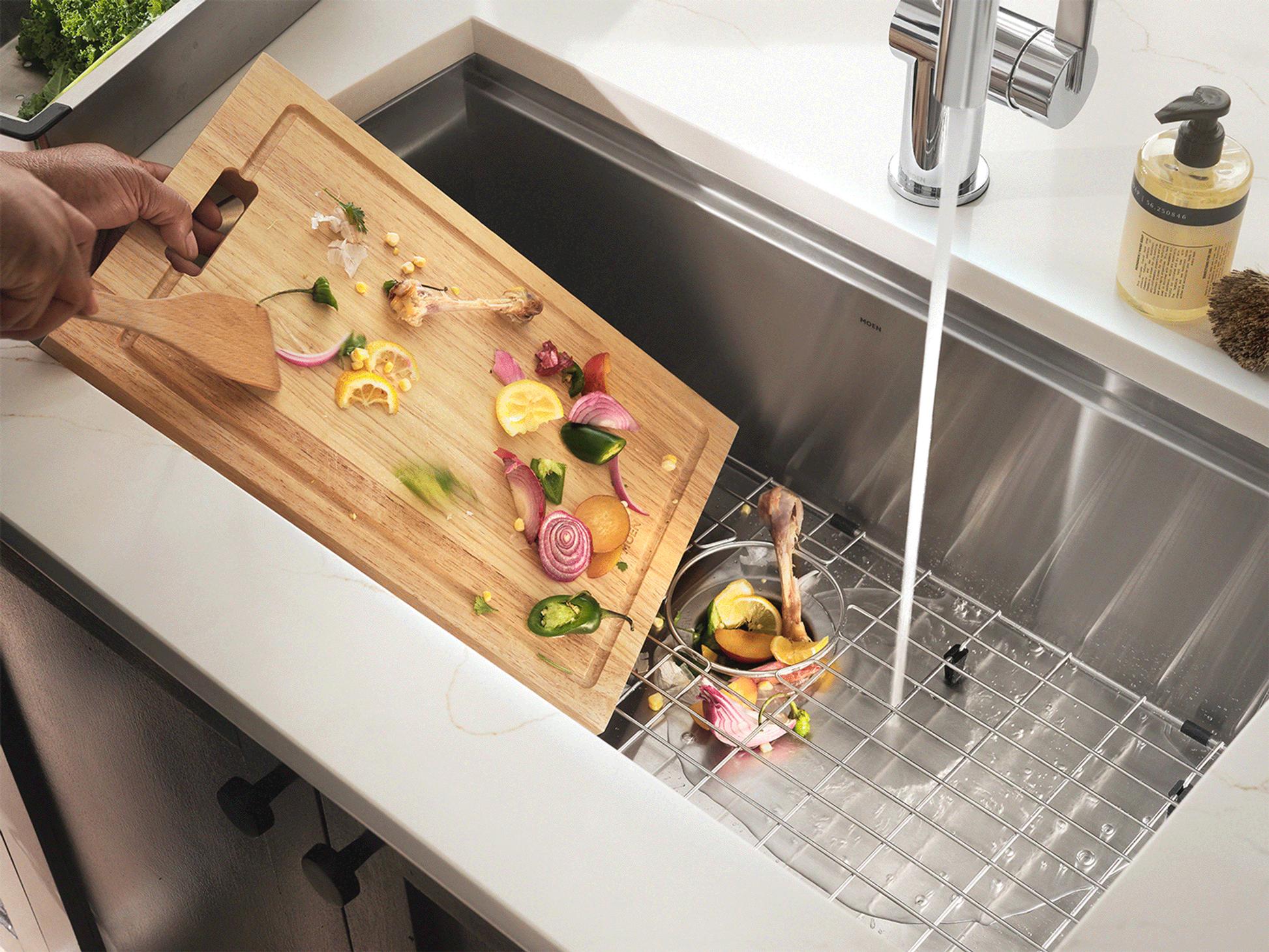
Water plays an important role in keeping your garbage disposal operating correctly.
While the grinding mechanism breaks food into smaller pieces, running water helps transport those particles through the drainpipe.
Without sufficient water, food waste may remain inside the disposal or settle within the plumbing.
Over time, these particles can accumulate and contribute to recurring clogs.
For most residential disposals, manufacturers recommend running a moderate stream of cold water while grinding food.
Start the water before turning on the disposal, allow the grinding process to finish, and continue running water briefly afterward.
Cold water is generally recommended during grinding because it helps keep fats from becoming liquid while they pass through the unit. However, it does not make grease safe to pour down the drain.
Developing this habit takes only a few extra seconds and can help prevent unnecessary plumbing problems.
5. Foreign Objects Getting Stuck Inside
Sometimes, a garbage disposal clog has nothing to do with food.
Small kitchen items can accidentally fall into the sink opening, including bottle caps, utensils, plastic pieces, or other objects.
When these materials enter the grinding chamber, they may prevent the disposal from operating properly.
You might hear a humming sound without grinding, notice unusual rattling, or discover that the unit suddenly stops.
If this happens, turn off the disposal immediately.
Never place your hand inside the grinding chamber, even when the unit appears to be off.
Disconnect its electrical power before inspecting it. If an object is visible and safely accessible, use appropriate tools such as long-handled tongs rather than your fingers.
If the object is difficult to remove or the disposal remains jammed, professional assistance is the safer option.
Continuing to operate a jammed disposal can damage its internal components and turn a minor problem into a more expensive repair.
6. Food Residue and Poor Maintenance
Your garbage disposal might seem clean because water regularly passes through it. However, small food particles can remain inside the grinding chamber and around the rubber splash guard.
Over time, this residue can create unpleasant odors and contribute to buildup.
Regular cleaning helps keep the disposal fresh and functioning properly.
After disconnecting the power, clean the accessible splash guard according to your manufacturer’s instructions. You can also use an approved cleaning method to remove residue from the grinding chamber.
Avoid pouring harsh chemical drain cleaners into the disposal. These products may damage components, create hazardous conditions, and complicate professional repairs.
It’s also important to understand that cleaning won’t remove every blockage.
If water continues draining slowly after routine maintenance, the problem may be located inside the connected drainpipe.
Plumbing Experts provides professional garbage disposal services for homeowners experiencing recurring clogs, leaks, and equipment problems.
7. Aging Equipment and Worn Components
Like other kitchen appliances, garbage disposals experience wear over time.
Frequent use, accidental jams, and general aging can affect the motor, grinding components, seals, and overall performance.
An older disposal may struggle to process food efficiently, increasing the likelihood of recurring problems.
You might notice that the motor sounds weaker, the unit frequently jams, or grinding takes longer than it once did.
Leaks around the disposal housing can also indicate deteriorating seals or other damage.
In some situations, garbage disposal repair can restore normal operation. However, replacing the unit may be more practical when significant internal damage is present.
A professional plumber can inspect the disposal, evaluate its condition, and recommend the most appropriate solution.
How to Tell If Your Garbage Disposal Is Clogged
Garbage disposal problems often develop gradually rather than appearing without warning.
Pay attention to changes in how your kitchen sink drains and how the disposal sounds during operation.
Common warning signs include:
- Water draining slowly or backing up into the sink
- Persistent odors despite regular cleaning
- Humming, grinding, or unusual rattling sounds
- Frequent jams or unexpected shutdowns
- Water leaking beneath the sink
These symptoms don’t always mean the disposal itself is defective.
For example, water backing up into both sides of a double-basin sink may indicate a blockage in the shared drain line.
When the issue extends beyond the disposal, professional plumbing services can help identify and address the underlying problem.
What Should You Do When Your Disposal Clogs?
When your garbage disposal stops draining properly, the first step is to stop using it.
Continuing to add water or food waste can worsen the blockage and increase the risk of an overflow.
Turn off the disposal and disconnect its power before inspecting the sink opening.
If the disposal operates normally but water remains in the sink, the obstruction may be inside the drainpipe rather than the grinding chamber.
A sink plunger may help clear a minor drain blockage. For double-basin sinks, the opposite drain opening typically needs to be sealed for plunging to work effectively.
Avoid forcing tools into the disposal or attempting repairs involving electrical components unless you’re qualified.
If the blockage remains, professional garbage disposal repair can help determine whether the problem involves the unit, drainpipe, or another plumbing component.
Recurring clogs deserve particular attention because they may indicate a deeper drainage issue.
Simple Habits That Help Prevent Future Clogs
Keeping your garbage disposal in good condition doesn’t require complicated maintenance.
In fact, prevention usually comes down to how you use your kitchen sink every day.
Start by scraping excess food into the trash before rinsing dishes. Run cold water while operating the disposal, and avoid introducing large quantities of waste at once.
Never dispose of grease, cooking oil, or nonfood objects through the unit.
It’s also helpful to clean the accessible components regularly and pay attention to changes in drainage performance.
If you notice water draining more slowly than usual, don’t wait until the sink becomes completely blocked.
Addressing minor drainage problems early may help prevent more extensive plumbing repairs.
For homeowners dealing with persistent kitchen sink issues, Plumbing Experts also offers drain and plumbing solutions designed to identify the source of recurring blockages.
A properly maintained disposal should make kitchen cleanup easier, not create another household problem.
When Should You Call a Professional Plumber?
Although minor disposal issues may be manageable with basic maintenance, some situations require professional attention.
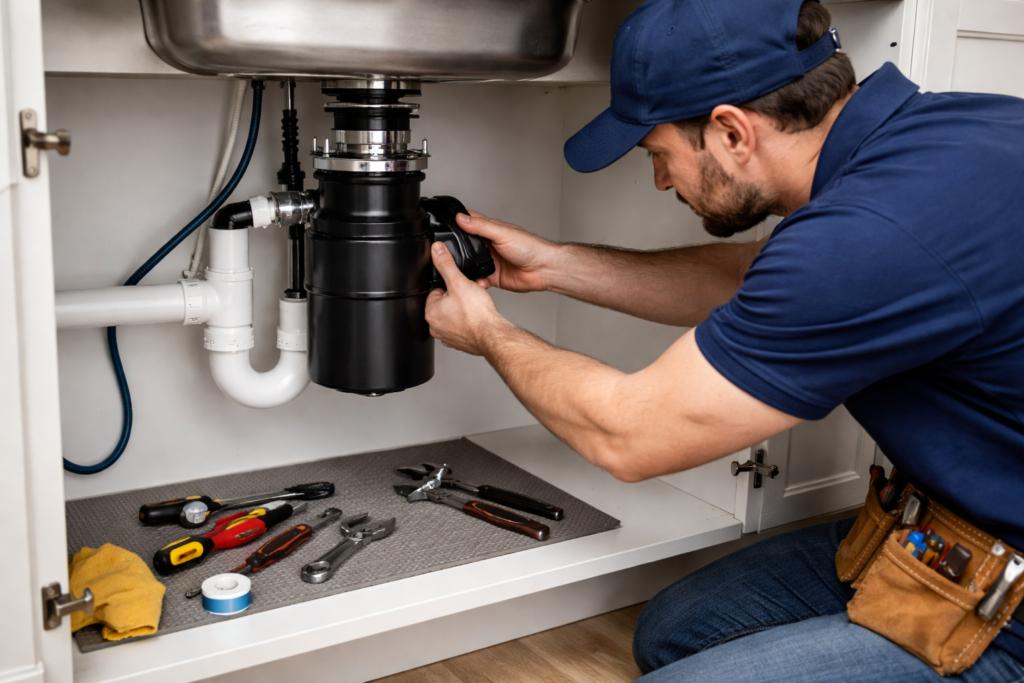
If your garbage disposal repeatedly jams, leaks beneath the sink, makes unusual noises, or fails to operate after safe troubleshooting, it’s time to contact an experienced plumber.
Professional service is especially important when wastewater backs up, multiple drains become slow, or the disposal repeatedly trips its electrical protection.
These symptoms can indicate problems beyond ordinary food buildup.
A plumber can inspect the disposal and connected plumbing, locate the obstruction, and determine if repair or replacement is appropriate.
Getting the problem diagnosed correctly helps avoid unnecessary equipment replacement and repeated temporary fixes.
Keep Your Kitchen Running Smoothly With Plumbing Experts
A clogged garbage disposal can interrupt your daily routine, but many common problems can be avoided with proper care.
By keeping grease out of your drains, using enough water, limiting food waste, and maintaining your disposal regularly, you can reduce the likelihood of unexpected blockages.
However, when clogs keep returning, professional help can make all the difference.
At Plumbing Experts, we provide garbage disposal repairs, replacements, and kitchen plumbing services throughout Broward, Palm Beach, and Martin counties. Our experienced team helps homeowners identify plumbing problems and find dependable solutions.
Don’t let a clogged garbage disposal disrupt your kitchen!
Contact Plumbing Experts today to schedule an inspection, discuss your repair options, or request professional assistance. Visit Plumbing Experts to learn more about our services and schedule an appointment.