




What Causes Low Water Pressure In Only One Faucet?
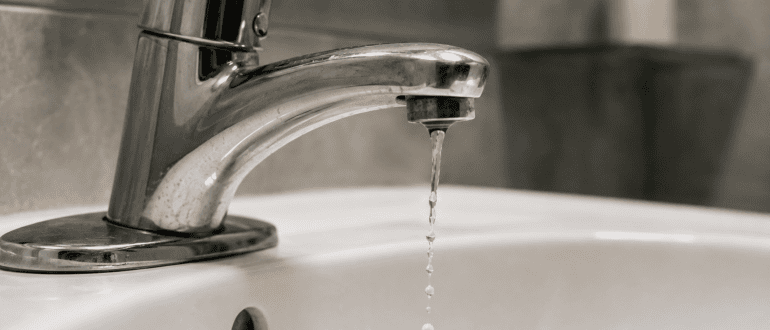
If you’ve ever turned on a faucet only to notice a weak trickle while every other faucet in your home works perfectly, you’re not alone. Low water pressure one faucet is a surprisingly common plumbing issue that many homeowners experience. The good news is that when the problem is isolated to a single fixture, the cause is often easier to identify than a whole-house pressure problem.
While it may seem like a minor inconvenience, ignoring low water pressure can lead to worsening performance, higher water bills if leaks are involved, or even hidden plumbing damage. Understanding the possible causes can help you decide whether it’s a quick DIY fix or time to call a professional plumber.
At Plumbing Experts, experienced technicians have been serving South Florida homeowners and businesses for more than 44 years with licensed plumbing services, upfront flat-rate pricing, and a 100% satisfaction guarantee.
How Water Pressure Should Work
Your home’s plumbing system is designed to deliver consistent water pressure to every fixture. Water enters through the main supply line and travels through a network of pipes before reaching your sinks, showers, toilets, and appliances.
When only one faucet has poor pressure, the issue is usually located at or near that specific fixture rather than with your home’s main water supply.
1. A Clogged Faucet Aerator
The most common reason for low water pressure one faucet is a clogged aerator.
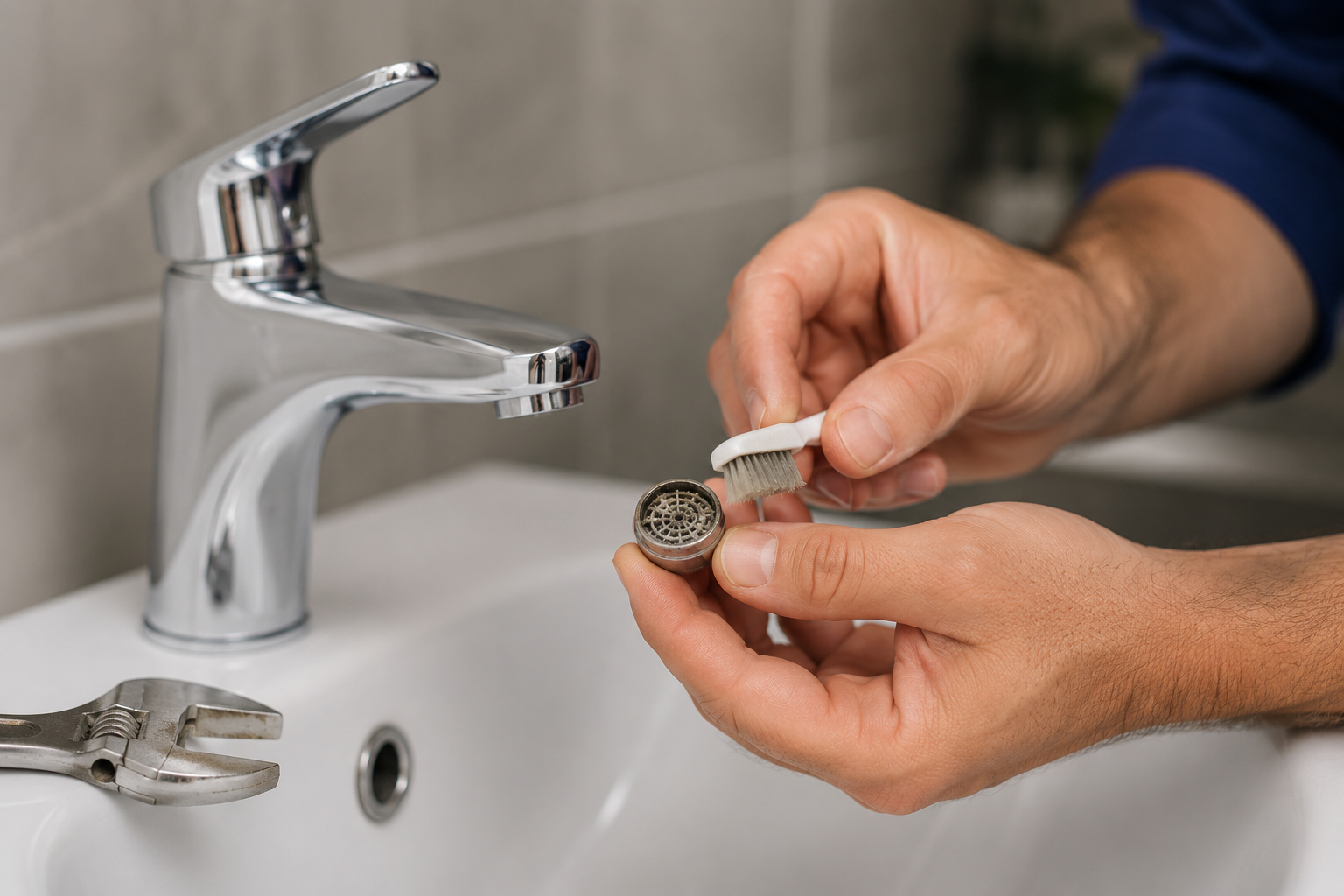
The aerator is the small screen attached to the tip of your faucet. Its job is to:
- Reduce water usage
- Prevent splashing
- Improve water flow consistency
Over time, minerals like calcium and lime, along with small particles from the plumbing system, build up inside the screen.
Signs of a clogged aerator
- Water pressure slowly decreases over time
- Only one faucet is affected
- Water sprays unevenly
- Flow is inconsistent
How to fix it
Remove the aerator, rinse away debris, and soak it in white vinegar for several hours to dissolve mineral buildup. In many cases, this simple cleaning restores normal water pressure.
2. Mineral Buildup Inside the Faucet
Even if the aerator is clean, mineral deposits can accumulate inside the faucet body itself.
This is especially common in areas with hard water.
Mineral buildup can partially block:
- Internal cartridges
- Mixing valves
- Small water passages
Eventually, water cannot flow freely through the faucet.
If cleaning the aerator doesn’t help, the faucet may need to be disassembled and cleaned or replaced.
3. A Faulty Faucet Cartridge
Many modern faucets use cartridges to regulate water flow and temperature.
As cartridges age, they can:
- Wear out
- Crack
- Become clogged
- Develop internal corrosion
A damaged cartridge often causes reduced water flow on either the hot side, cold side, or both.
Common symptoms
- Weak pressure after turning the handle
- Pressure suddenly drops
- Water temperature becomes inconsistent
Replacing the cartridge usually restores proper performance.
4. Shut-Off Valve Isn’t Fully Open
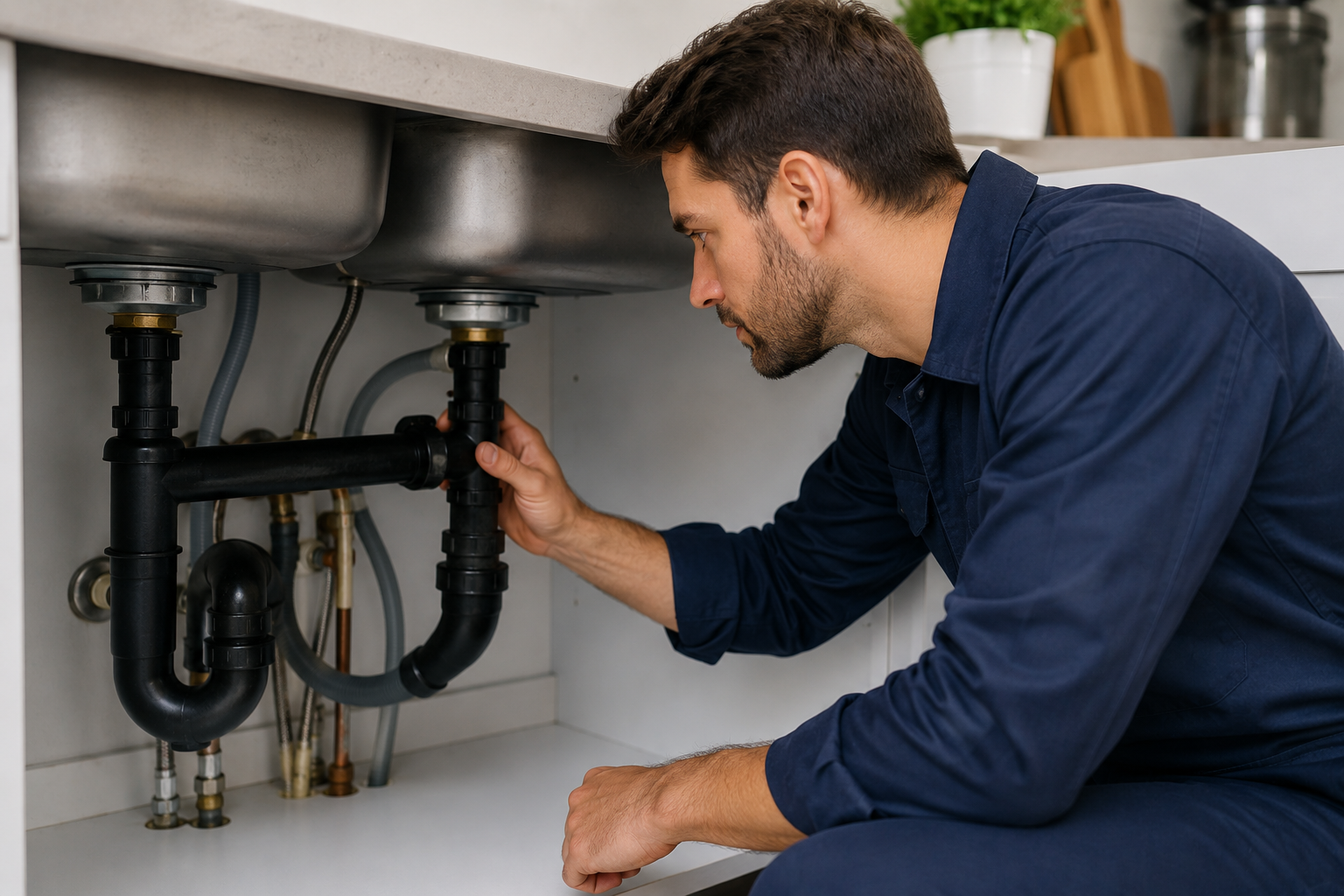
Every sink has shut-off valves underneath it.
Sometimes these valves become:
- Accidentally bumped
- Partially closed
- Stiff with age
- Corroded internally
Even being slightly closed can significantly reduce water flow.
Check both the hot and cold shut-off valves beneath the sink and make sure they’re fully open.
5. A Hidden Leak Near the Faucet
Leaks don’t always leave obvious puddles.
A small leak behind the wall or beneath the sink can reduce pressure while wasting water.
Watch for:
- Damp cabinets
- Water stains
- Mold odors
- Higher water bills
If you suspect a hidden leak, professional leak detection can identify the problem before it causes expensive structural damage.
6. Corroded Supply Lines
Older homes often contain galvanized steel pipes.
Over time, corrosion forms inside these pipes, reducing their diameter and restricting water flow.
Eventually, only a small amount of water can pass through.
Corroded supply lines typically cause:
- Slow water flow
- Rust-colored water
- Reduced pressure
- Older fixtures performing poorly
Replacing deteriorated supply lines permanently resolves the issue.
7. Debris Inside the Water Line
After plumbing repairs or municipal water work, sediment may enter your plumbing system.
Small pieces of:
- Rust
- Sand
- Pipe scale
- Mineral deposits
can become trapped inside the faucet or supply line.
If pressure suddenly drops after plumbing work, flushing the lines or cleaning the faucet often solves the problem.
8. Problems With the Faucet Supply Hose
Flexible braided supply hoses connect your shut-off valve to the faucet.
These hoses can become:
- Bent
- Kinked
- Crushed
- Internally collapsed
A restricted hose limits water reaching the faucet.
Replacing an old supply hose is usually inexpensive and can immediately improve pressure.
9. Issues Affecting Only Hot or Cold Water
Sometimes the problem isn’t both water lines.
Ask yourself:
- Does only the hot water have low pressure?
- Does only the cold water have low pressure?
If only one side is affected, the issue may involve:
- Water heater sediment
- Hot-water shut-off valve
- Cold-water supply blockage
- Faulty mixing valve
Identifying which side has reduced pressure helps narrow down the diagnosis.
10. Municipal Water Supply Changes
Occasionally, temporary maintenance by your local water utility can affect water pressure.
However, if only one faucet has poor pressure while every other fixture works normally, municipal water pressure is rarely the cause.
Can You Fix It Yourself?
Some causes are easy DIY projects.
You can often:
- Clean the aerator
- Check shut-off valves
- Inspect supply hoses
- Remove visible debris
These repairs require minimal tools and little plumbing experience.
However, avoid taking apart complex faucet assemblies if you’re unfamiliar with plumbing fixtures.
When Should You Call a Professional Plumber?
Professional plumbing service is recommended when:
- Cleaning doesn’t improve pressure
- You suspect hidden leaks
- Pipes are corroded
- Pressure suddenly drops
- Multiple repair attempts fail
- Water damage appears
Licensed plumbers use specialized diagnostic equipment to locate the exact cause without unnecessary guesswork.
Plumbing Experts serves homeowners throughout Palm Beach, Broward, and Martin counties with licensed technicians, flat-rate pricing, and a commitment to customer satisfaction.
How Professionals Diagnose Low Pressure
Experienced plumbers typically inspect:
- Faucet aerator
- Faucet cartridge
- Shut-off valves
- Supply hoses
- Water pressure levels
- Pipe condition
- Hidden leaks
- Fixture connections
This systematic approach helps avoid replacing parts unnecessarily.
How to Prevent Future Faucet Pressure Problems
Regular maintenance goes a long way toward preventing pressure issues.
Helpful habits include:
- Clean faucet aerators every few months.
- Flush water heaters annually to reduce sediment.
- Repair small leaks promptly.
- Replace aging plumbing fixtures when necessary.
- Schedule periodic plumbing inspections.
For additional water-efficiency recommendations, the EPA WaterSense program offers practical tips for homeowners.
Why Prompt Repairs Matter
Many homeowners ignore a weak faucet because it still “works.”
Unfortunately, the underlying issue often worsens over time.
Delaying repairs may lead to:
- Larger leaks
- Water damage
- Mold growth
- Higher utility bills
- Fixture failure
Early diagnosis usually results in faster, less expensive repairs.
Trust Plumbing Experts for Reliable Plumbing Solutions
When you’re dealing with a low water pressure one faucet, getting to the root of the problem is more important than simply restoring flow temporarily. Whether the issue is a clogged aerator, worn cartridge, hidden leak, or aging plumbing, the right repair helps prevent future problems and protects your home’s plumbing system.
With decades of experience serving South Florida, Plumbing Experts provides professional diagnostics, honest recommendations, and quality workmanship backed by a 100% satisfaction guarantee.
If you’re struggling with a low water pressure one faucet, don’t wait for a small plumbing problem to become a costly repair. Contact Plumbing Experts today to schedule a professional inspection. Our licensed plumbers will quickly identify the cause, restore proper water flow, and keep your plumbing system operating at its best.