




When a pipe bursts or a drain backs up in the middle of the night, the last thing you want to worry about is the cost. Yet, for most homeowners, the question is, How much does an emergency plumber cost? It is a major source of stress. Understanding the factors that influence pricing can help you manage expectations and make informed decisions during a chaotic time.
As plumbing experts with decades of experience handling home plumbing emergencies, we’ve created this guide to demystify the costs. We’ll break down the pricing structures, influencing factors, and average costs for common repairs so you’re prepared for the unexpected.
Understanding Emergency Plumber Cost: The Bottom Line
Let’s get straight to the point. The cost of an emergency plumber is significantly higher than a scheduled service call. You are paying for immediate, after-hours availability. While prices vary widely, you can generally expect a call-out fee or minimum charge of $150 to $450 just for the plumber to arrive at your door.
The total cost for the complete emergency plumbing repair typically ranges from $250 to over $1,500, depending on the complexity of the job. Pricing is usually structured in one of two ways:
- Hourly Rate: A higher-than-standard rate charged per hour, plus the cost of parts.
- Flat-Rate Pricing: A single, upfront price for the entire job, which includes labor and standard parts.
Key Factors That Influence Emergency Plumbing Repair Costs
No two plumbing emergencies are identical, which is why the cost can fluctuate so much. Several key variables determine the final bill for urgent plumbing services. Understanding these factors will help you grasp why your quote might be higher or lower than the average.
1. Time and Day of Service
This is the single biggest factor. A call at 2 PM on a Tuesday will always be cheaper than a call at 2 AM on a Sunday. Expect to pay a premium for service outside of standard business hours (typically 8 AM to 5 PM, Monday-Friday). Costs for nights, weekends, and especially holidays will have the highest `after-hours plumber cost`.
2. The Nature of the Emergency
The severity and type of problem directly impact the price. A simple toilet clog that can be snaked in 30 minutes is far less expensive than a burst sewer line that requires excavation. More complex jobs require more time, specialized equipment, and greater expertise.
3. Location and Accessibility of the Problem
If a leaking pipe is exposed under a sink, the repair is straightforward. If that same pipe is located behind a tiled wall or under a concrete slab, the plumber must first spend time and effort accessing it. This additional labor for demolition and eventual repair dramatically increases the cost.
4. Required Materials and Parts
The cost of any replacement parts will be added to your bill. Simple components like a wax ring for a toilet are inexpensive. However, replacing a high-end faucet, a water heater element, or several feet of copper pipe will significantly increase the total plumbing repair cost.
5. Your Geographic Location
Plumbing service fees vary by region. Labor costs are generally higher in major metropolitan areas with a higher cost of living than in rural towns. It’s essential to research rates specific to your local area.
A Breakdown of Common Plumbing Service Fees
To fully understand your bill, it’s helpful to know how charges are structured. Most companies use a combination of the following fee types for emergency calls.
Call-Out or Dispatch Fee
This is a minimum charge to cover the plumber’s travel time, vehicle expenses, and the initial diagnosis of the problem. This fee, often between $150 and $350, ensures the plumber is compensated for their time even if you decide not to proceed with the repair. Many reputable companies will waive this fee if you approve the work.
Emergency Hourly Rates
While standard plumbing rates may be $75-$150 per hour, emergency rates are much higher. You can expect to pay between $200 and $450 per hour for after-hours labor. Most companies charge a minimum of one or two hours, regardless of how quickly the job is completed.
Flat-Rate Pricing
Many plumbing experts now offer flat-rate pricing for common emergency jobs. After diagnosing the problem, the plumber will give you a single, all-inclusive price. The benefit is that you know the exact cost upfront, with no surprises. This price is calculated based on the average time and materials required for that specific repair.
Average Costs for Common Home Plumbing Emergencies
To give you a clearer picture, here are some estimated cost ranges for typical emergency repairs. Please note these are national averages, and your actual cost may vary.
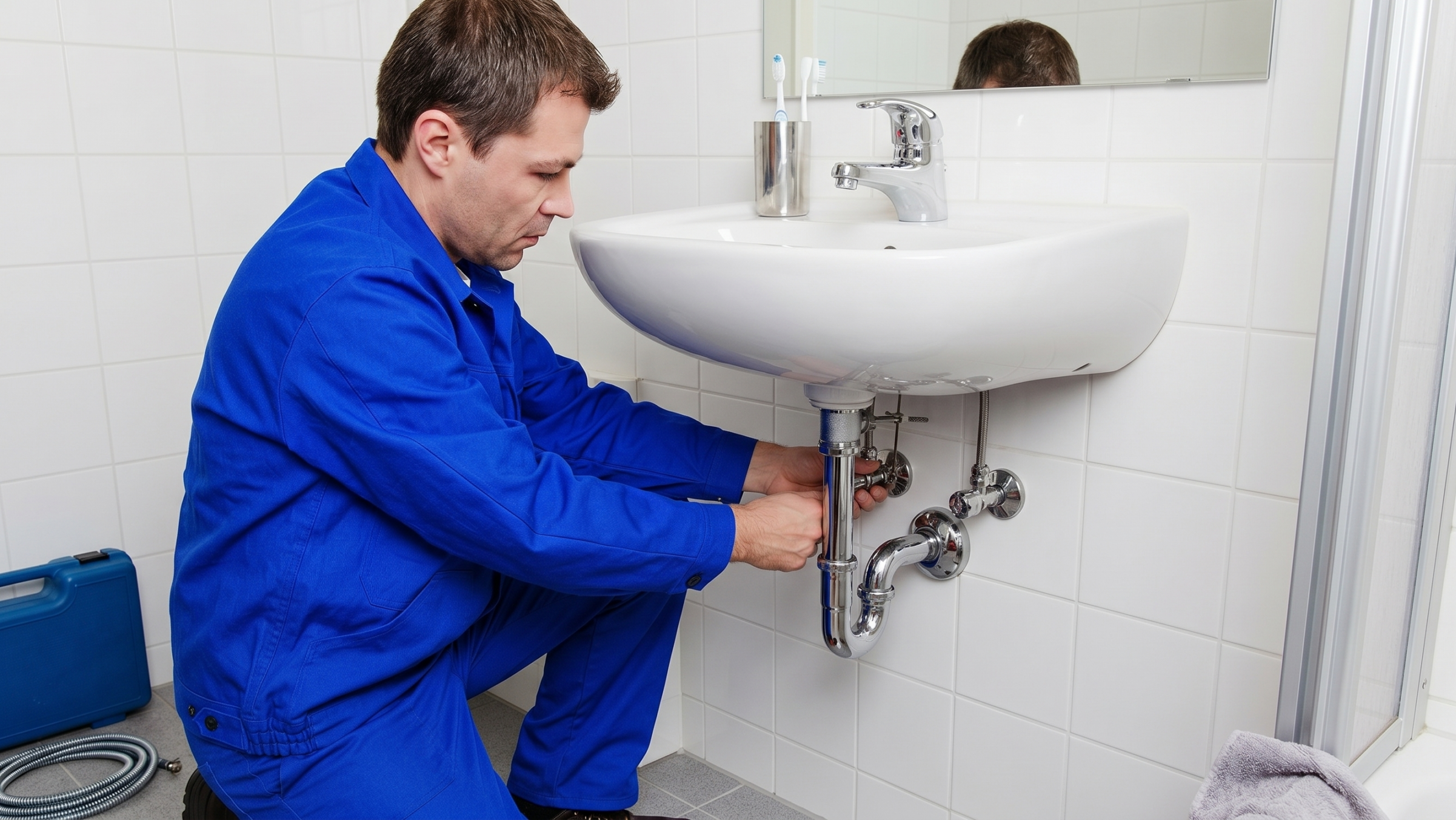
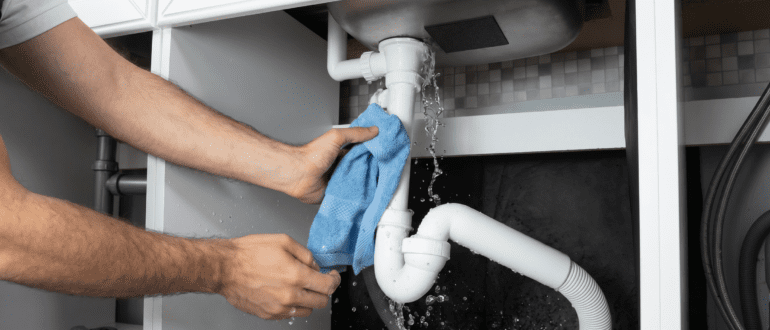
- Emergency Drain Repair (Clogged Sink, Toilet, or Shower): $200-$500. This can increase if the clog is deep within the main line and requires hydro-jetting.
- Leaking or Burst Pipe Repair: $250-$1,500+. A simple, accessible leak is on the lower end. Costs escalate quickly if the pipe is behind a wall or requires significant replacement.
- Sewer Line Backup: $300-$1,200 to clear the blockage. If the line is broken and needs repair or replacement, the cost can range from $2,000 to $7,000+.
- Emergency Water Heater Repair: $400-$1,800. This could involve replacing a thermostat, heating element, or the entire unit. A full replacement will be at the higher end of this range.
- Sump Pump Failure: $350-$900. This includes the cost of a new pump and the labor to install it in an emergency, such as a flood.
How to Avoid Being Overcharged for Urgent Plumbing Services
Even in a panic, you can take steps to protect yourself and ensure fair pricing. A trustworthy professional will be transparent about their costs.
- Ask About Pricing Structure Upfront: When you call, ask if they charge an hourly rate or a flat fee, and inquire about any minimum charges or call-out fees.
- Get a Quote in Writing: Before any work begins, ask the plumber for a written estimate that details the scope of work, parts, and total cost.
- Know Your Home: The most crucial step you can take before an emergency is to locate your main water shut-off valve. Stopping the flow of water can prevent catastrophic damage and turn a major crisis into a more manageable repair.
- Check for Warranties: Ask whether the company offers a warranty on its labor and the parts it installs. A reputable company will stand behind its work.
Conclusion: Finding a Trusted Partner in a Plumbing Crisis
Facing a plumbing emergency is daunting, but understanding the potential costs can empower you to handle the situation calmly. The emergency plumber cost is a premium for immediate, skilled service at an inconvenient time, influenced by the time of day, complexity, and the parts required.
The best strategy is to be proactive. Find and vet a reliable, licensed, and insured 24-hour plumber in your area before you need one. By choosing qualified plumbing experts with transparent plumbing repair pricing, you can be confident that when disaster strikes, you’ll receive fast, effective help at a fair price.