






As a homeowner with a septic system, regular maintenance is non-negotiable. One of the most common questions we hear from clients is, “How long does it take to pump a septic tank?” It’s a valid concern when you’re trying to schedule your day around a service appointment.
The short answer is that a routine septic tank pumping typically takes between 20 and 45 minutes. However, this is just an average. The actual septic tank pumping time can vary based on several critical factors that every homeowner should understand.
The Quick Answer: Average Septic Pumping Time
For a standard residential property with a well-maintained system and easy access, the entire process from arrival to departure is usually under an hour. Our experienced technicians can often complete the core pumping job in about half an hour.
- Best-Case Scenario: 20-30 minutes. The tank lid is accessible, the tank is a standard size (1,000-1,250 gallons), and the sludge is not overly compacted.
- Average Scenario: 30-45 minutes. This might involve some minor digging to uncover a lid or dealing with a slightly overdue tank.
- Complex Scenario: 1 hour or more. This applies to oversized tanks, tanks with difficult access, or tanks with significant solid buildup that require extra work.
Key Factors That Influence Your Septic Tank Service Timeline
Understanding what can extend the pumping duration helps you prepare for your appointment. As plumbing experts, we’ve seen it all, and the timeline almost always comes down to these four elements.
1. Tank Size and Type
The most obvious factor is the size of your tank, measured in gallons. A larger 1,500-gallon tank will naturally take longer to empty than a more common 1,000-gallon tank. The type of system (e.g., conventional, aerobic) can also slightly alter the service steps.
2. Accessibility of the Septic Tank
Can our truck get close to the tank? Is the access lid buried deep underground? If the technician spends 20 minutes digging to uncover the manhole cover, that time is added to the total service time. Homes with risers installed on their tanks often have the quickest service calls because access is immediate.
3. Time Since Last Pumping and Sludge Level
A septic tank that is pumped regularly (every 3-5 years) will have a healthy balance of effluent, scum, and sludge. If a tank has been neglected for a decade, the bottom layer of sludge can become extremely thick and compacted. This requires extra effort, including back-flushing, to break up the solids so they can be vacuumed out.
4. The Overall Condition of Your System
A professional service isn’t just about pumping; it’s also an opportunity for a mini-inspection. The technician will check the condition of the baffles and look for any signs of cracks or damage. If an issue is discovered, they will need to discuss it with you, which can add time to the appointment.
The Step-by-Step Septic Tank Cleaning Process
To fully appreciate the septic tank service timeline, it helps to know what our technicians are doing. This is the standard septic tank cleaning process for most residential septic services.

- Arrival and Site Assessment: The technician will park the pumper truck in a safe, accessible location and discuss the tank’s location with you. They’ll lay out the heavy-duty vacuum hose, taking care to protect your lawn.
- Locating and Uncovering the Lid: If you don’t have a riser, the technician will use a soil probe to locate the main access lid and carefully excavate the area to expose it.
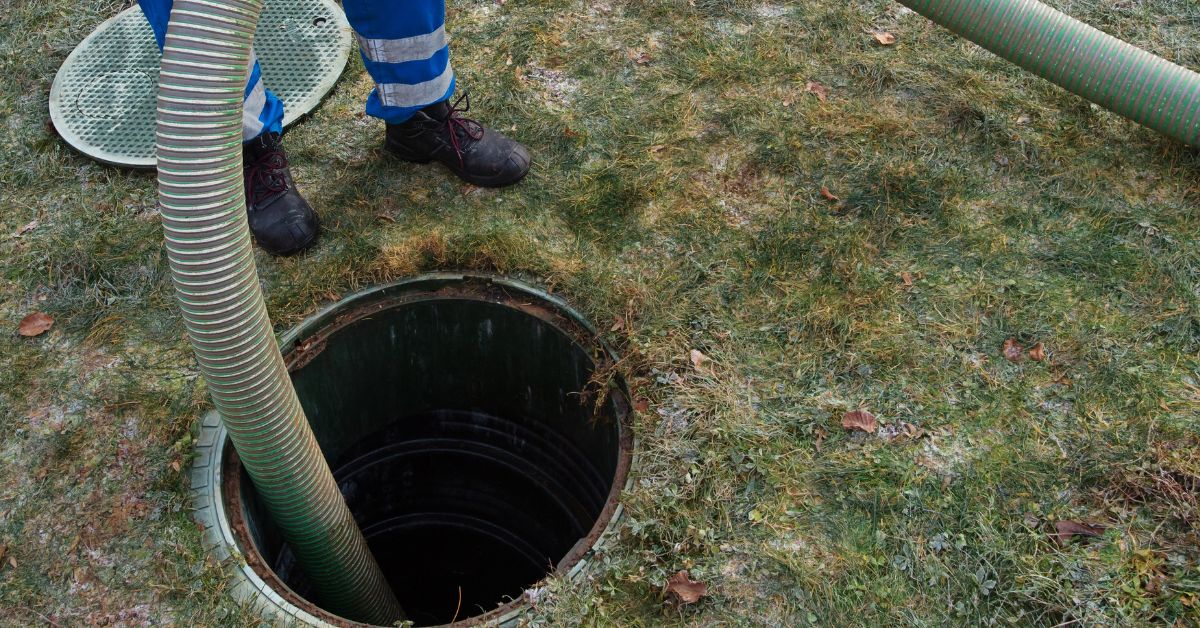
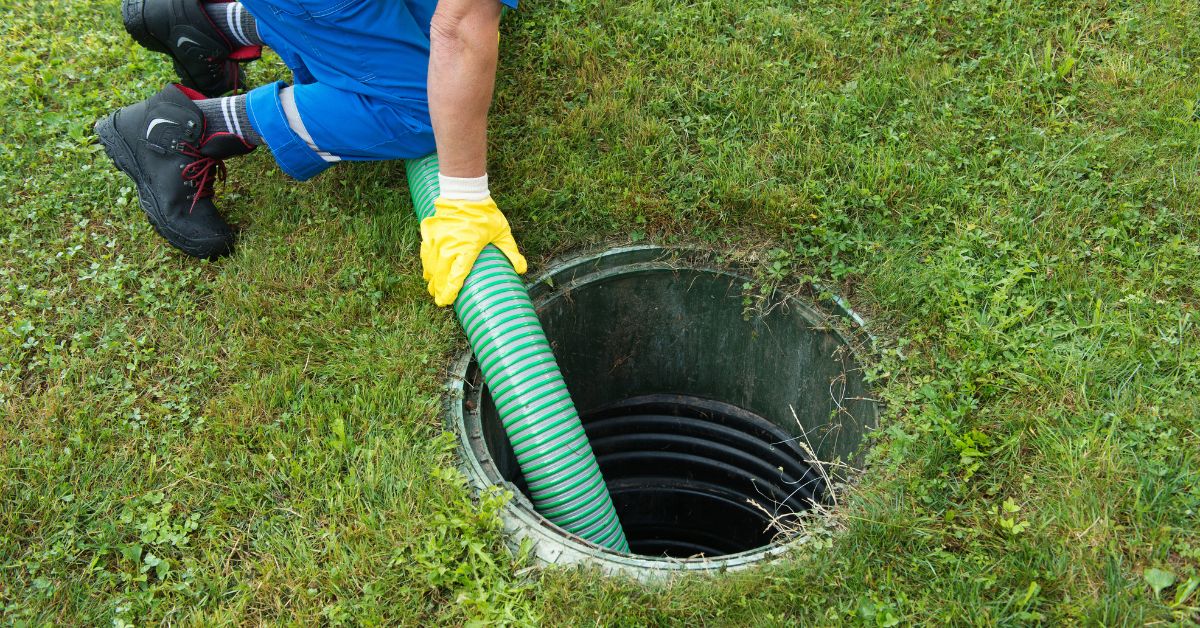
- Pumping the Tank: The lid is removed, and the hose is inserted. The powerful vacuum pump is engaged to remove all the liquid and solid waste from the tank. The technician may use a tool to stir the contents to ensure all heavy sludge is removed.
- Tank and Baffle Inspection: Once empty, the technician will visually inspect the interior of the tank for cracks, root intrusion, or any signs of deterioration. They will pay special attention to the inlet and outlet baffles, which are critical for proper system function.
- Cleanup and Reporting: The hose is removed, the lid is securely replaced, and any disturbed soil is put back. The technician will then provide you with a service report, discuss the health of your system, and recommend a schedule for your next service as part of your ongoing home septic maintenance.
What to Expect on Pumping Day?
Knowing what to expect can make the day go smoothly. Proper septic system care starts with being prepared for your maintenance appointment.
- Before We Arrive: Please clear the area around your septic tank of any obstacles, such as patio furniture, vehicles, or toys. If you know where your tank lid is, that’s a huge help! Also, ensure pets are secured.
- During the Service: You’ll hear the truck’s engine and the vacuum pump, which can be quite loud. There will likely be some odor when the tank is opened, but this is temporary and should dissipate quickly once the lid is replaced.
- After We Leave: Your system is ready for normal use immediately. Our plumbing experts will provide you with valuable feedback on your system’s condition and a clear septic maintenance guide for the future.
Why Regular Pumping is a Smart Investment
Spending 30-60 minutes on septic maintenance every few years is one of the smartest investments you can make in your home. It’s a small amount of time dedicated to preventing catastrophic and expensive problems.
Consistent pumping prevents solid waste from entering your drainfield, which can lead to irreversible clogging. A failed drainfield can cost tens of thousands of dollars to replace, a disaster that routine plumbing septic services can help you avoid entirely.
Trust the Plumbing Experts for Your Septic System Care!
When it comes to something as vital as your home’s septic system, you need a team you can trust. How long does it take to pump a septic tank? It does more than just pump out the waste; it provides a crucial health check-up for your entire system.
Don’t settle for a “pump and run” company. Choose licensed and insured plumbing experts who understand the complete septic tank cleaning process and are dedicated to long-term septic system care. A few extra minutes of professional attention during the pumping process can save you thousands in the long run.